In the current scenario of expansion of the renewable energy matrix, the Operation and Maintenance (O&M) of Photovoltaic Plants (PV Plants) requires a comprehensive approach.
Traditional manual inspection alone has become insufficient. To ensure maximum performance and operational safety, it is imperative to monitor not only the solar panels, but the entire energy conversion and distribution infrastructure.
DRONE & GIS's technological solution is Hybrid Inspection, which integrates the macro and rapid vision of Unmanned Aerial Vehicles (DRONES) with the detailed precision of terrestrial thermography in ground components (BoS – Balance of System), all unified by Artificial Intelligence and GIS.
Methodology: The Hybrid Approach
Our methodology combines two data acquisition approaches to cover 100% of the plant's assets:
Air Inspection (Scalability and Precision)
Execution of automated flights with hybrid payloads (high-resolution RGB sensors and Radiometric Thermal sensors). This approach ensures massive scanning of the solar field, identifying thermal anomalies with precision at the cell and string level.
Land Inspection (Detail and Depth)
Instrumental inspection performed by certified technicians using highly sensitive handheld thermal imagers. The focus is on the critical analysis of the Balance of System (BoS), diagnosing internal components of inverters, string boxes, and connections hidden from aerial view.
Data Fusion (Digital Ecosystem):
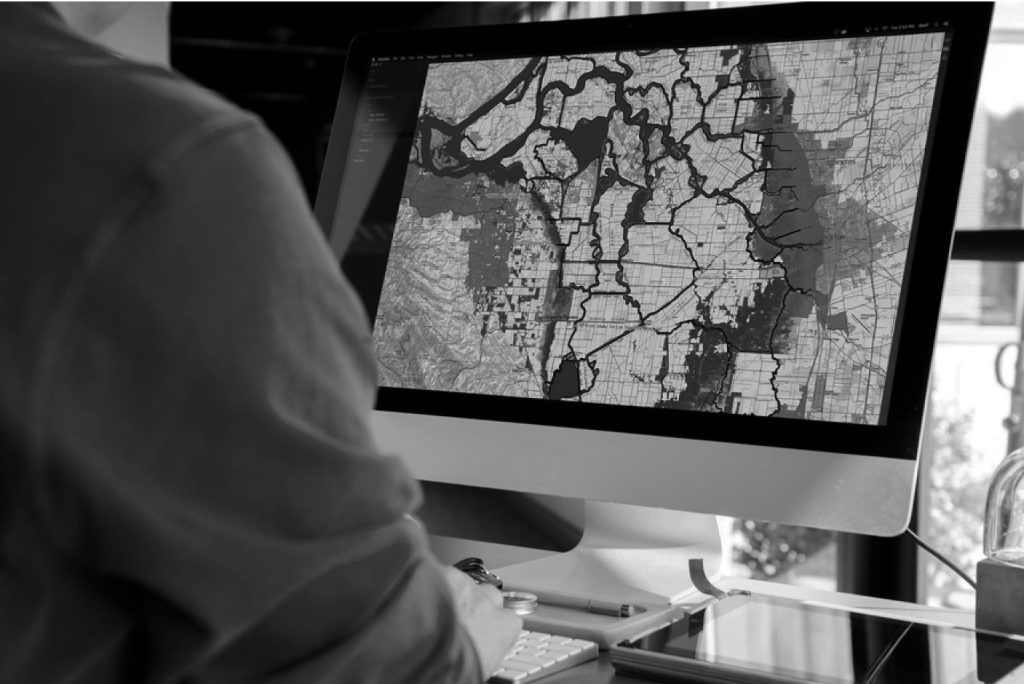
Systemic integration of data layers (aerial and terrestrial) processed by Computer Vision algorithms. The result is the consolidation of all information into a single geospatial platform, generating a navigable and auditable Digital Twin of the power plant.
Engineering Solutions and Asset Performance
At DRONE & GIS, we unify precision engineering and data intelligence to maximize the lifecycle of your energy infrastructure. Our approach integrates drones, geotechnologies, and AI to deliver in-depth diagnostics on solar generation assets. From topographic surveys and engineering project support to predictive inspection focused on O&M, we transform asset management into an exact science, ensuring operational safety, regulatory compliance, and maximum revenue recovery.
PRECISION ENGINEERING AND DIGITALIZATION: THE POWER OF AERIAL PHOTOGRAMMETRY IN THE SOLAR LIFE CYCLE
The efficiency of a photovoltaic plant does not begin with... energization, but rather in the rigor of the territorial data that They provide the basis for their project.
At DRONE & GIS, we apply high-resolution aerial photogrammetry. precision (with support for GNSS RTK/PPK receivers) for create the definitive cartographic basis of your asset, acting From technical feasibility to operational support.
Pre-Construction Phase: Advanced Topography and Layout Optimization
Prior to installation, the accuracy of the terrain model is crucial for calculating earthworks (cut and fill) and for analyzing shading.
High-Density Planimetric and Altimetric SurveyWe generate high-density point clouds, enabling the creation of Digital Terrain Models with centimeter-level precision. This is crucial for drainage projects and for ensuring that the terrain slope is compatible with the limits of solar trackers.
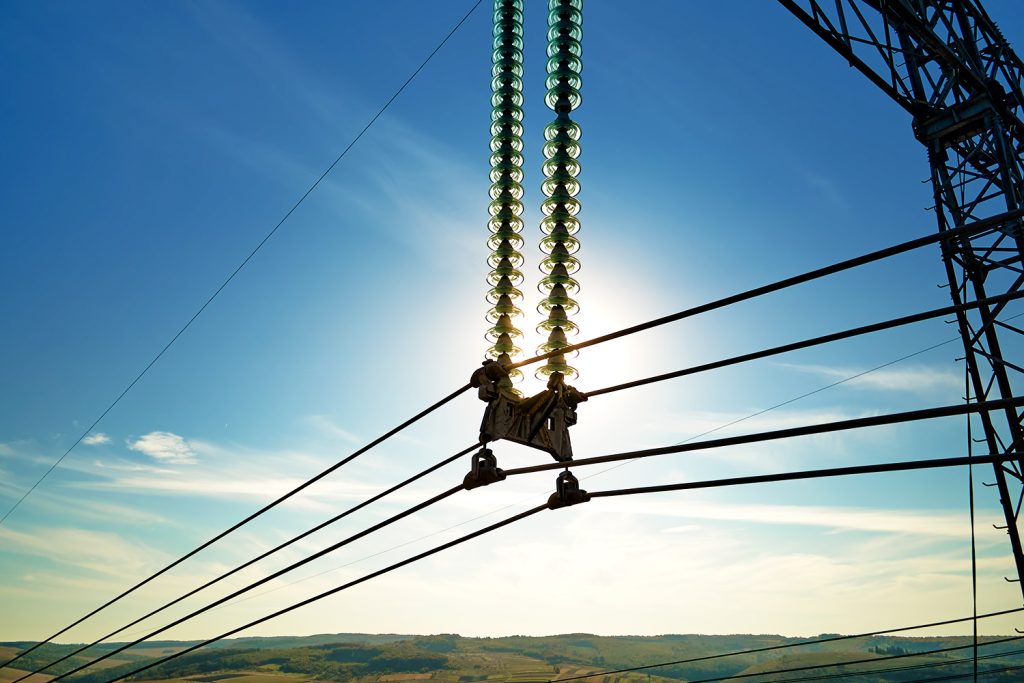
Analysis of Obstructions and ShadingUsing the Digital Surface Model, we map not only the ground, but all obstructions above it (trees, power lines, buildings). This data feeds simulation software to design the layout with the lowest possible shading index, maximizing energy yield.
After construction, aerial photogrammetry takes on a new and critical role: it becomes the visual reference layer for thermographic inspection and asset management.
Ultra-Resolution RGB OrthomosaicWe produced a continuous, georeferenced, high-precision visual map of the entire plant. This map allows visualization of physical details such as serial numbers (when visible), fence integrity, soil erosion, and the physical condition of the modules.
Contextualization of Thermographic InspectionThermal imaging shows where there is heat, but not always what the fault is. By overlaying the thermal layer onto the high-precision RGB orthomosaic, our analysts and AI algorithms can distinguish a real hotspot (electrical fault) from a false positive caused by dirt (bird soiling) or vegetation shadows.
Post-Construction and O&M Phase: The RGB Orthomosaic as a "True Map"
Engineering Solutions and Asset Performance
The updated orthomosaic serves as final As-Built documentation, validating the quantity. of installed modules and serving as a navigable base for the maintenance team Locate any asset without the need for paper maps or outdated spreadsheets.
APPLICATIONS IN THE ASSET LIFE CYCLE
Our solutions cover all layers. of power generation, divided into two main scopes:
Aerial Inspection: Photovoltaic Modules and Strings.
Land Inspection: Soil Components
Aerial Inspection of Photovoltaic Modules and Strings
Thermographic Diagnostics of Modules and Strings Operating in strict compliance with the Standards, our Artificial Intelligence algorithms process radiometric data to Automatically identify and classify critical pathologies:
Hotspots
Detection of severe thermal dissipation caused by microcracks, snail trails, or localized shading, preventing irreversible damage to the backsheet and fire hazards.
Bypass Diodes (Activated/Defective)
Identification of characteristic heating in junction boxes, indicating the inoperability of sub-strings (loss of 1/3 of the module's power).
Disconnected Strings
Precise location of entire inoperative series due to blown fuses, open connectors, or inverter faults, invisible to visual inspection.
Potential Induced Degradation
Recognition of geometric thermal patterns (checkerboard or edge effect) associated with potential-induced degradation, allowing for early corrective actions.
Ground Inspection of Soil Components and BoS (Balance of System)
While aerial inspection focuses on energy capture, ground inspection ensures the integrity of the conversion and flow of this power. This step is crucial for the operational safety, focusing on the early detection of thermal anomalies that They precede catastrophic failures, unscheduled shutdowns, and fire hazards.
Frequency Inverters (Central and String Inverters)
Power SystemsThermal analysis of power modules (IGBTs), DC link capacitors, and internal busbars to identify thermal stress or component fatigue.
Critical ConnectionsDetection of high contact impedance (resistive hot spots) on input (DC) and output (AC) terminals, caused by improper torque or vibration.
Cooling SystemsValidation of heat exchange efficiency, identifying faults in forced ventilation (exhaust fans) or obstructions in heat sinks.
Protection ComponentsScanning fuse holders, disconnect switches, and circuit breakers to identify abnormal heating indicative of undersizing or contact degradation.
String ImbalanceVisual identification of cables operating at different temperatures, indicating load imbalance, undetected partial shading, or upstream cabling faults.
Busbars and ConnectorsChecking for oxidation and current leakage points (leakage to ground) that generate localized heating.
String Boxes and Combiner Boxes
Transformers and Step-Up Substations
Bushings (AT/BT)Identification of thermal gradients that indicate internal insulation degradation or poor contact in external connections.
Thermal Management of OilAnalysis of temperature uniformity in radiators to detect obstructions in the flow of insulating oil or failures in the circulation pumps.
Main TankDetection of hot spots on the casing that may suggest faults in the magnetic core, loose internal connections, or low oil levels.
Terminations and MufflesCritical inspection of Medium Voltage (MV) connections, where heating precedes dielectric breakdown.
Underground Junction Boxes: Tracking confined cables to identify heat buildup due to excessive Joule effect or undersized infrastructure.
Cable and Power Infrastructure
Operational Optimization
Minimize unscheduled downtime and reduce your O&M costs. Our Asset intelligence solutions ensure maximum Annual Production of Energy and implement the foundation for maintenance management. completely predictive.
Drastic OPEX Optimization
We transformed corrective maintenance into predictive. By directing the teams of field only for confirmed failures and With geolocation, we reduce man-hours., logistics costs and average time repair.
Regulatory Compliance Assurance
All diagnoses follow strictly in accordance with the international IEC standard TS 62446-3. We deliver auditable reports. and standardized to ensure validity guarantees and regulatory compliance.
Increased Reliability
Early detection of critical risks in Balance of System (inverters, cables and (transformers) prevents shutdowns programmed and mitigates fire risks, maximizing availability (uptime) and useful life of the asset.
How can we help?
Get in touch and schedule a consultation with our experts; it will be a pleasure to assist you!